
By Chris Occhiuzzi
Is it finally time to put an end to the twice-yearly clock-changing ritual? From health concerns to lost daylight, we're counting down the reasons to leave our clocks alone.
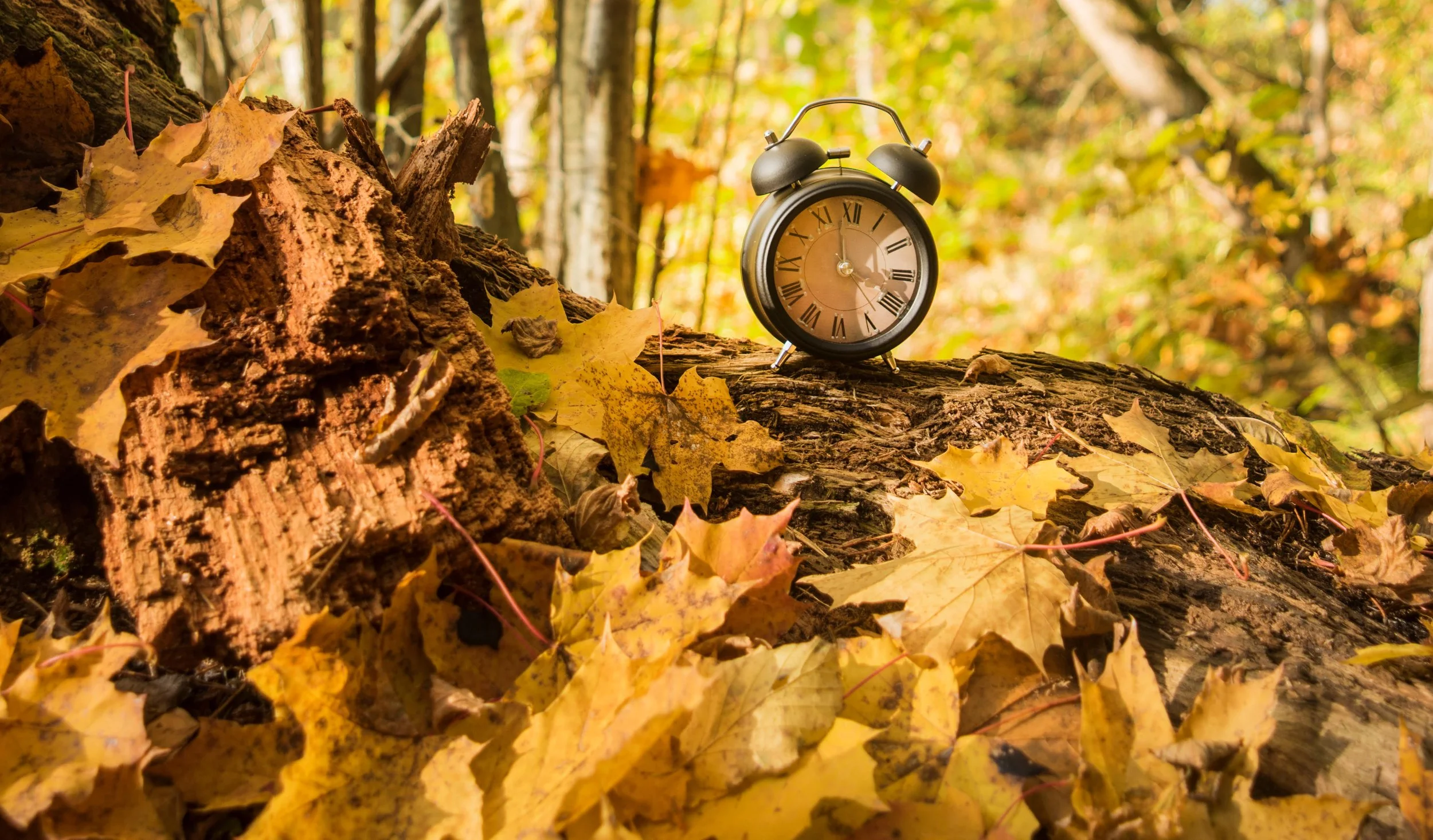
On November 1, 2026, at 2 a.m., most of Ontario will once again participate in the seemingly unnecessary practice of “falling back” to standard time, balancing out the “springing ahead” that took place in March.
With several provinces across Canada moving away from seasonal clock changes, most recently Manitoba, it's well past time the rest of us considered doing the same.
We're looking at you, Ontario, Quebec, and New York State.
Of course, there's a distinction worth making. The goal isn't necessarily to eliminate daylight saving time itself, but rather to eliminate the twice-yearly clock changes. Ontario's proposed approach would make daylight saving time permanent, meaning we'd keep that extra hour of evening daylight year-round.
And here's where things get interesting.
Ontario actually passed its Time Amendment Act back in 2020, paving the way for permanent daylight saving time. However, the province has held off implementing it across Ontario, largely because of the importance of coordinating with Quebec and New York State.
Trade and financial markets, cross-border business, transportation and airline schedules, broadcasting, and communications all factor into the decision.
To Quebec's credit, its government has indicated a willingness to consider ending seasonal clock changes, particularly if neighbouring jurisdictions are on board.
Meanwhile, New York has considered legislation to end the practice, but coordinating with neighbouring states, including Connecticut, Massachusetts, New Jersey, Pennsylvania, and Vermont, adds another layer of complexity.
That's a lot of governments trying to agree on what time it is.
1. Safety
Research has linked the springtime clock change to an increased risk of traffic accidents and other safety concerns. Losing an hour of sleep can disrupt our internal clocks, leaving us feeling slightly disoriented, almost like a mild case of jet lag.
And when reaction times slow, even temporarily, the consequences can be serious.
2. Heart Attacks and Strokes
Studies have found associations between the springtime transition to daylight saving time and an increased risk of cardiovascular events, including heart attacks and strokes.
While the precise increase varies across studies, researchers have identified enough potential health concerns to question whether the seasonal disruption is worth it.
3. Mood and Mental Health
Our bodies thrive on consistency, particularly when it comes to sleep and exposure to natural light.
Disrupting those patterns can affect mood, energy levels, and overall well-being. Although the relationship between clock changes and depression is complex, researchers have raised concerns about the effects of seasonal time transitions on mental health.
And really, does anyone need another reason to feel out of sorts in November?
4. Metabolism and Weight Management
We increasingly understand the importance of consistent, quality sleep for maintaining good health.
Disrupted sleep and irregular circadian rhythms have been associated with changes in metabolism and appetite regulation. While changing the clocks doesn't automatically cause weight gain, it's another unnecessary disruption to the routines that help keep us healthy.
5. Headaches
For some people, changes in sleep schedules can contribute to headaches and migraines.
The adjustment may seem minor, but anyone who's experienced the effects of a disrupted sleep routine knows that even an hour can make a difference.
6. Cognitive Function
Ever feel a little foggy after the clocks change?
You're not imagining it.
Sleep disruption can affect attention, concentration, memory, and decision-making, particularly in the days following the springtime shift.
Considering how much we rely on being alert and focused throughout the day, voluntarily throwing our internal clocks off schedule seems a little counterproductive.
7. Daylight Saving Time Is a Relic from Another Era
The widespread adoption of daylight saving time dates back to the First World War, when countries sought ways to conserve fuel and make better use of daylight.
More than a century later, our lifestyles, workplaces, technology, and energy needs have changed dramatically.
Perhaps it's time our approach to keeping time caught up.
8. The Economic and Energy Savings Are Questionable
One of the original arguments for daylight saving time was energy conservation.
However, modern research has produced mixed results, with some studies finding minimal savings and others suggesting that changes in heating, cooling, and electricity use can offset potential benefits.
In other words, the economic argument isn't nearly as convincing as it once seemed.
9. People Are Tired of Changing the Clocks
Surveys and public consultations have repeatedly demonstrated frustration with seasonal time changes, even if people don't always agree on whether permanent daylight saving time or permanent standard time is the better solution.
The debate over which time to keep may continue.
But the enthusiasm for changing it twice a year? That seems considerably harder to find.
10. It Just Doesn't Make Much Sense Anymore
See reasons one through nine.
We've spent decades adjusting our clocks, our sleep schedules, and our routines twice a year, largely because that's what we've always done.
And while there are legitimate questions about which permanent time would best serve our health, businesses, and communities, surely we can agree that the current system deserves another look.
After all, we have enough things competing for our time.
Maybe it's time we stopped changing it.