
The Future of Muskoka: Growth, Taxes & Tough Questions
By Chris Occhiuzzi
Development pressures, luxury properties, and an upcoming election are shaping conversations across Muskoka.
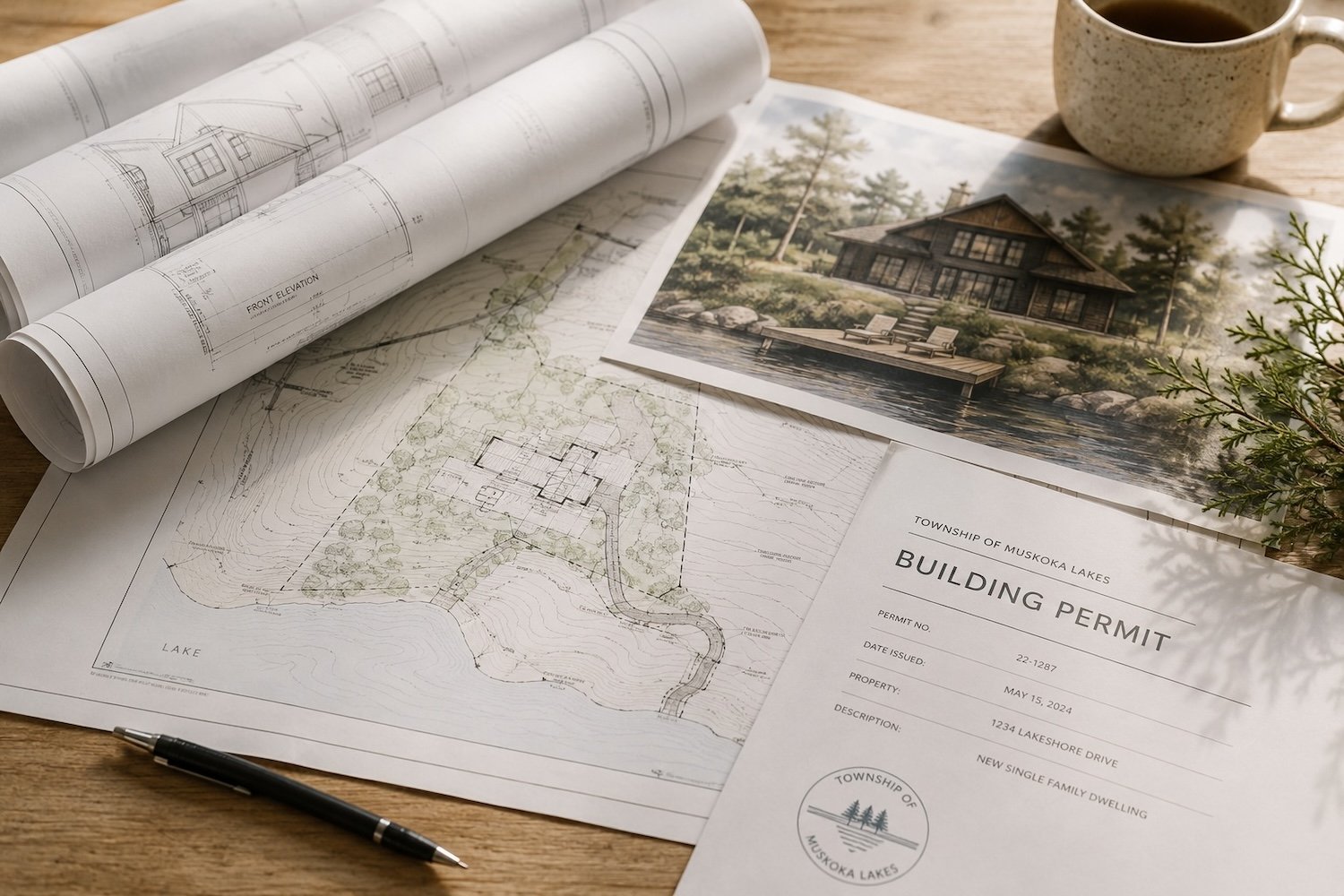
Spend enough time in Muskoka and you'll find an abundance of awe-inspiring scenery: sparkling lakes, gleaming boathouses, bustling marinas, rising luxury cottages, and waterfront values that continue to climb.
But that's what's happening on the surface.
Beneath it are real concerns and important conversations about taxes, waste collection, roads, development delays, whether families can afford to keep their cottages for the next generation, and whether Muskoka is protecting what makes it special, or making it increasingly difficult to build, work, and live here.
Few people have a better pulse on those conversations than Bob Clarke.
And it's not simply because he has spent more than 35 years building and selling properties throughout Muskoka. Clarke is the principal of both Clarke Muskoka Construction and Royal LePage Lakes of Muskoka - Clarke Muskoka Realty.
Bob knows what's happening because he cares deeply about the place he calls home and wants to see it continue to thrive.
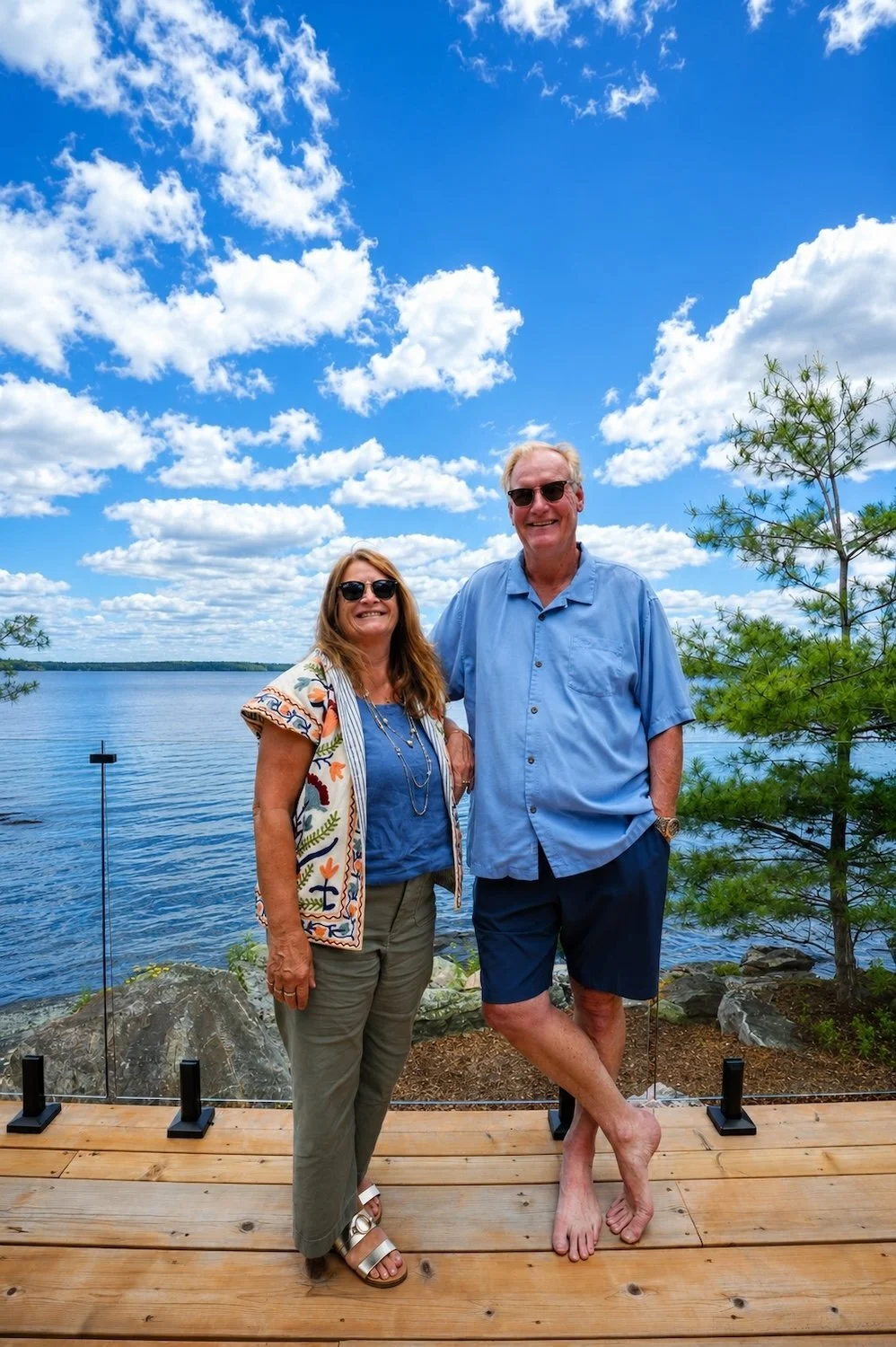
He believes recent changes to development by-laws within the Township of Muskoka Lakes – as well as other municipalities and the District of Muskoka – have created unintended consequences for the local economy.
"Muskoka isn't a park or a suburb," he explains. "It's a working, seasonal, residential, recreational, and luxury region all at once."
While local governments continue to advocate for jobs, services, and year-round economic activity, Clarke believes increasing barriers to development make those goals more difficult to achieve. Building projects face longer approval timelines, renovations become more expensive, and affordable housing remains limited.
"We're having trouble with employment," he says. "How do we attract business to Muskoka?"
Building in Muskoka
For decades, Muskoka has sold more than a lifestyle - it has sold opportunity.
Buy a property. Improve it. Hand it down. Sell it. Renovate it. Build again.
That cycle fuelled tradespeople, designers, builders, landscapers, suppliers, restaurants, retailers, and countless businesses that depend on investment in cottage country.
According to Clarke, that cycle has slowed considerably.
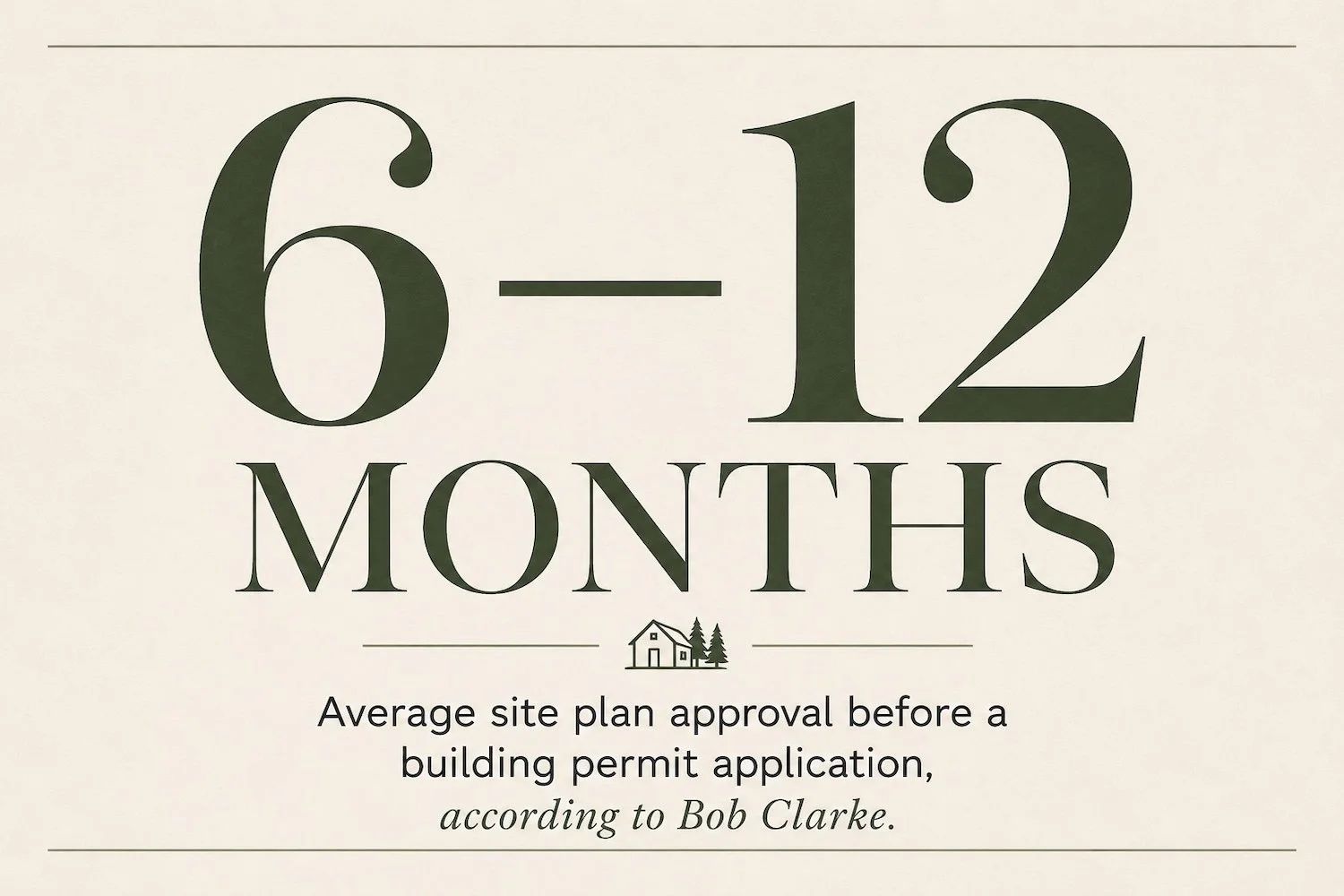
"It's taking anywhere from six to twelve months just to receive site plan approval before you can even apply for a building permit," he says.
Stormwater management reviews, wildfire approvals, fish habitat assessments, tree inventories, septic reviews, and shoreline regulations may each serve an important purpose, but together they create significant cost, delays, and uncertainty.
"If the process becomes so slow and expensive that people stop building and renovating, the impact reaches far beyond the property owner - it affects the entire Muskoka economy."
Clarke isn't suggesting Muskoka abandon environmental protections. The lakes, forests, rock, and shorelines are the very foundation of the region's identity.
But he believes balance is essential.
"If the process becomes so slow and expensive that people stop building or renovating, the impact goes far beyond the property owner."
"That is throwing the economy completely off kilter, and it's causing unemployment."
Planning departments are stretched thin, staff turnover has affected continuity, and some meetings have been cancelled because there aren't enough planners available to move applications forward. The result is more delays, greater expense, and increased uncertainty for property owners hoping to build or renovate.
Luxury Market Keeps Climbing
Despite those challenges, Muskoka's luxury real estate market continues to thrive.
"The market's actually pretty good," Bob says. "We have sales in all price ranges. Five years ago, I couldn't show you a $20 million cottage. Today, I could take you to at least ten."
At the same time, the entry point into the market continues to rise.
Finding a cottage on one of Muskoka's Big Three lakes - Muskoka, Joseph, or Rosseau - with 100 feet of frontage, a desirable lot, and a traditional cottage is becoming increasingly difficult.
Rising values are welcome news for many property owners, but even long-time cottage families are finding it more challenging to manage increasing taxes, maintenance costs, and ongoing expenses on a fixed income.
Constantly Changing Cottages
Muskoka isn't simply becoming more expensive - it's evolving.
Clarke has watched buyers purchase solid, well-maintained cottages only to renovate them extensively or replace them entirely with custom-built dream properties for a new generation.
Some of that is driven by changing tastes, technology, and purchasing power.
Much of it comes down to accessibility.
Level lots with deep water have become some of the region's most desirable properties.
"The average buyer now is well over 50 years old," Clarke explains. "As you age, mobility issues become a factor - and many people simply can't get to the water."
Many of the remaining undeveloped properties are steeper, rockier, and more complex to build on, while regulations surrounding blasting, tree removal, shoreline alteration, and site development continue to increase.
Today's buyers are looking for simplicity, while the available land often offers the opposite.
Paying More
Higher demand combined with limited inventory continues to drive property values upward - and with them, taxes and ownership costs.
"Property taxes are going up. Maintenance is going up," Clarke says. "The cost to maintain these places is increasing, and we're receiving significantly fewer services."
Those frustrations often become most visible through everyday services such as garbage collection.
"You can only drop off one bag of garbage a week," Clarke says. "So there's garbage all over the township."
From there, the conversation naturally shifts toward municipal spending, infrastructure priorities, and long-term financial planning.
"The current Muskoka Lakes budget is projecting we're going to be about $150 million short over the next ten years,"Clarke says. "Are we prioritizing the right things?"
That question resonates particularly with seasonal property owners, who contribute a substantial portion of the municipal tax base while often feeling they receive fewer services in return.
"The tax base is coming from the seasonal cottages," he says. "Many of those properties are actually receiving very little service."
You Have a Vote
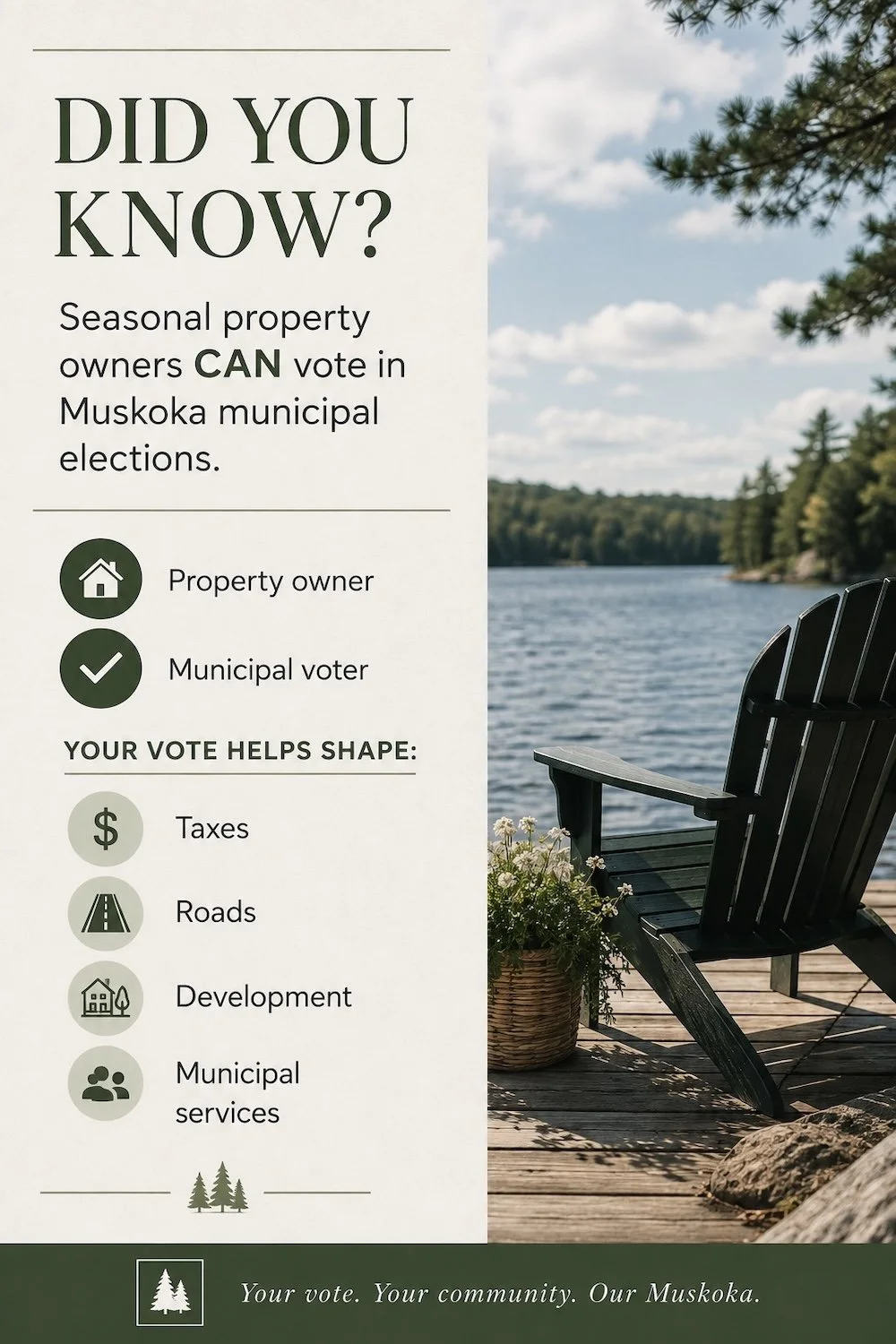
Despite contributing significantly to the local tax base, many seasonal residents don't realize they are eligible to vote in municipal elections.
"Most seasonal residents right now think they can't vote," Clarke says. "If they're a property owner, they can vote."
Those votes help determine who makes decisions on garbage collection, roads, planning, development, municipal spending, and property taxes.
Clarke isn't telling people how they should vote.
He simply believes they should become informed, understand the issues, learn about the candidates, and participate in the democratic process.
Are residents satisfied with current garbage collection? Municipal services? Rising taxes? The projected budget shortfall?
Those aren't campaign slogans.
They're questions every voter should consider before casting a ballot.
"Elections are important," Clarke says. "There's a whole pile of information and facts that you should know before choosing the right candidate for you."
Ultimately, this municipal election will help shape Muskoka's future. Whether you're a full-time resident or a seasonal property owner, the decisions made today will influence taxes, services, development, and the character of the region for years to come.
Your vote isn't just a democratic right.
It's an opportunity to help decide what comes next.
CLARKE MUSKOKA
📍 Port Carling • 📞 249-209-6398
www.mymuskokacottages.com