
A Local's Guide to Starting an Argument
By Chris Occhiuzzi
The fiercest regional debates aren't about politics or sports – they're about what we call the places we love. From cottage country to Toronto's east end, some naming arguments simply refuse to die.
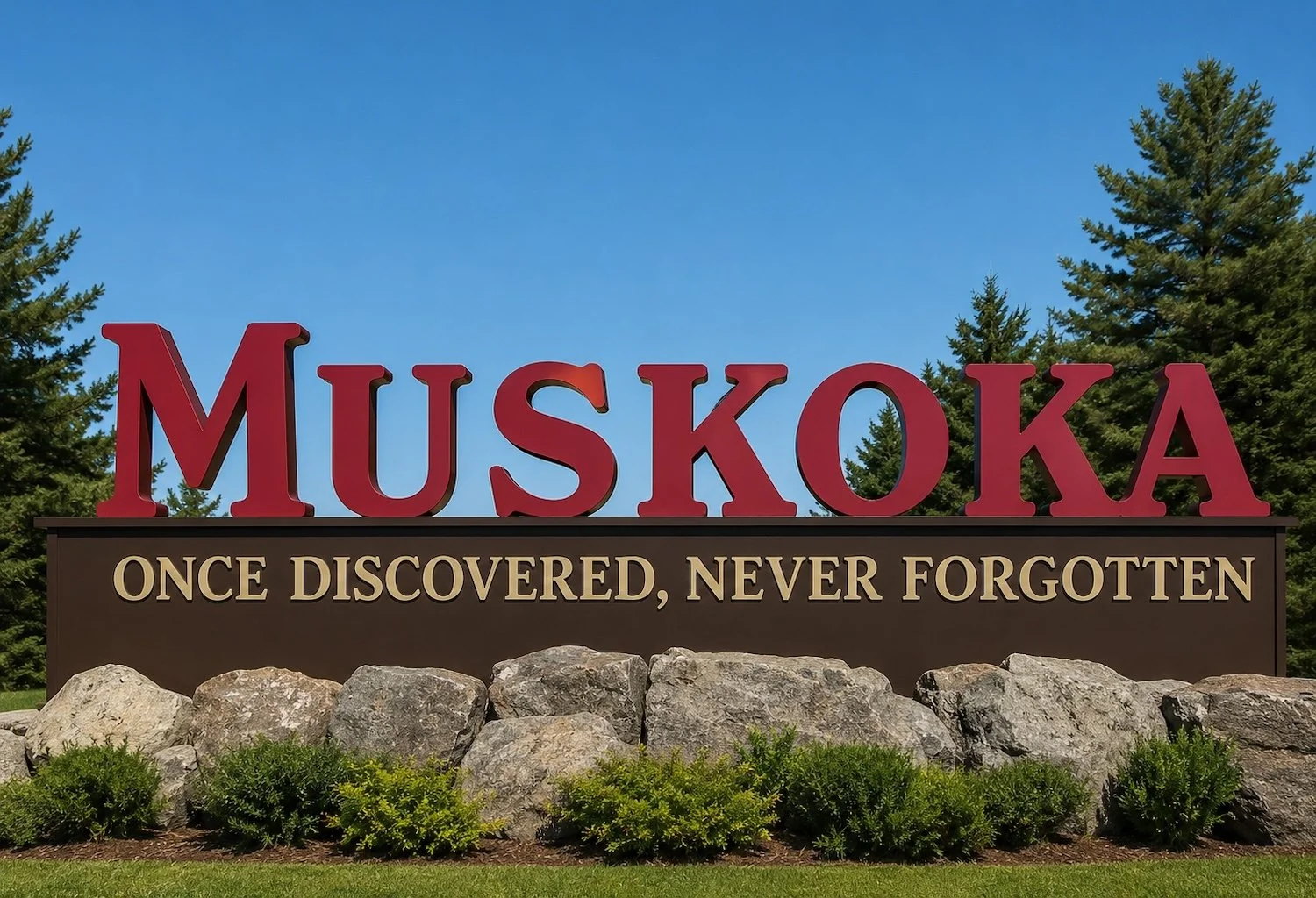
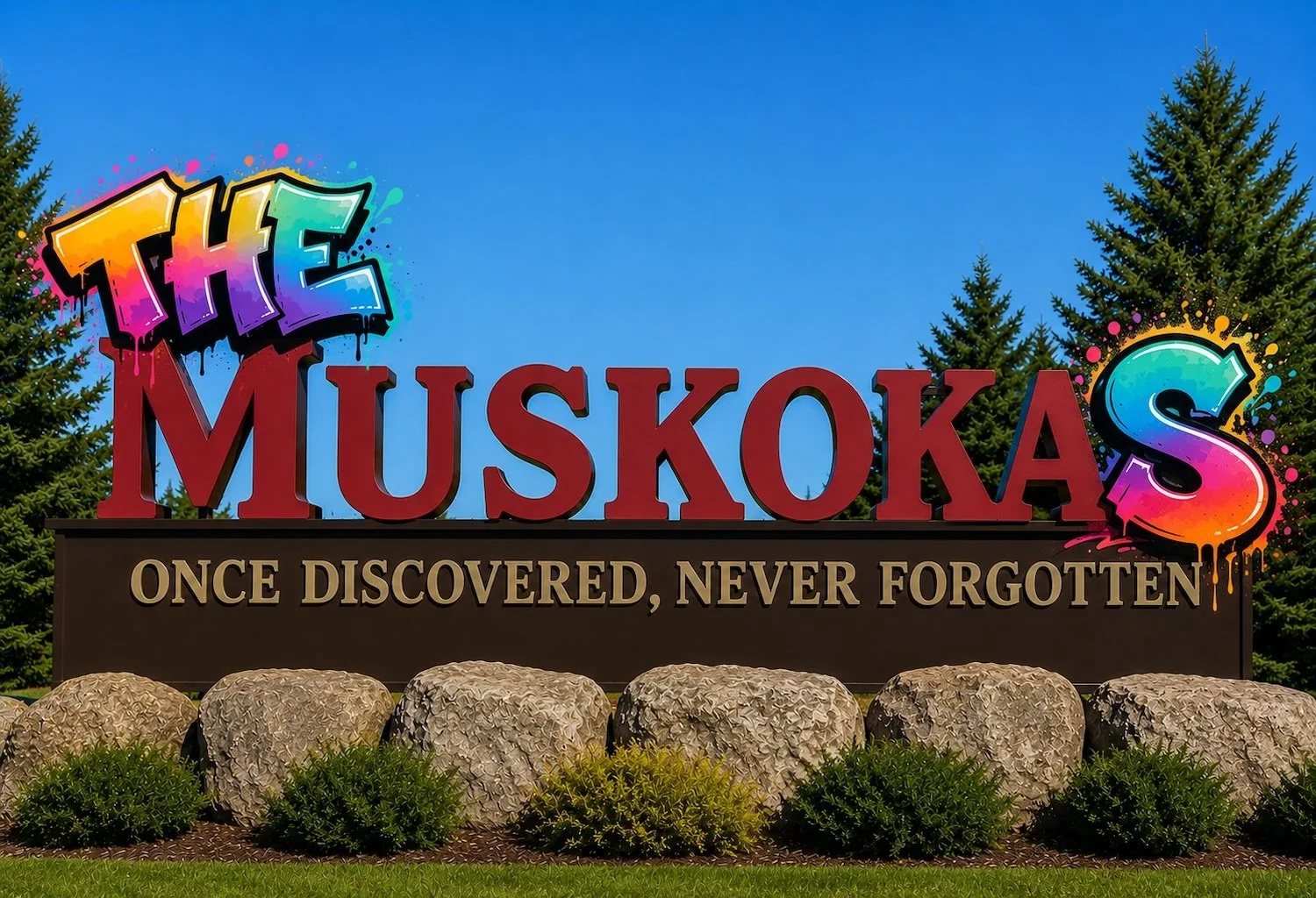
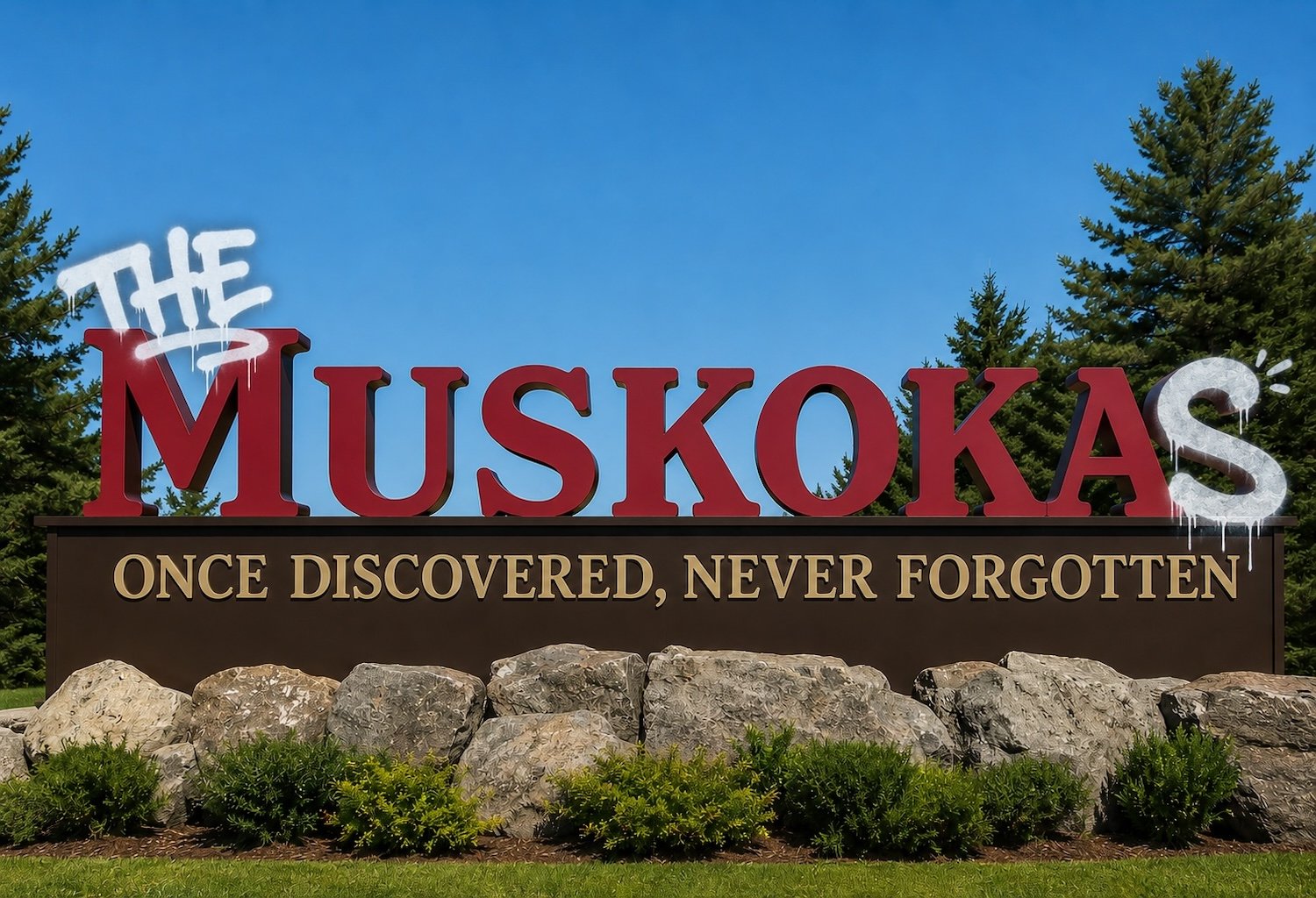
"These naming debates aren't really about geography. They're about identity, belonging, and local pride – and that's why nobody ever truly wins."
There are few debates capable of testing friendships quite like the way we refer to certain places.
We all know someone who feels passionately about it. Mention "The Muskokas" at a dinner party, around a campfire, or in a local Facebook group, and you're likely to spark a lively discussion. Some people will politely correct you. Others may launch into a detailed explanation of why there's only one Muskoka. Either way, chances are you'll hear about it.
A few years ago, a daily newspaper used the term "The Muskokas" multiple times in an article. Let's just say the reaction from locals was immediate and memorable.
But is the answer really as simple as many would have us believe?
Today, Muskoka is unquestionably the accepted name for the region. Yet history tells a slightly different story. Long ago, some visitors travelling north from Toronto referred to the area as "The Muskokas" or simply "Muskokas." Whether it was a misunderstanding, a regional nickname, or simply the language of the day is up for debate.
To be fair, people did a lot of things differently back then. Before we start treating every historical reference as definitive proof that it should be "The Muskokas," it's worth remembering that these were also the generations that:
Wore wool bathing suits.
Considered a cottage "modern" if it had electricity and one indoor light bulb.
Thought mosquito coils counted as a comprehensive outdoor living strategy.
Packed seven people, a dog, and a week's worth of luggage into a station wagon – without air conditioning, for a "relaxing" weekend at the lake.
Happily drank water straight from the lake and considered sunscreen entirely optional.
Still, the references existed.
Today, however, Muskoka remains the widely accepted and official name of the region. While you'll occasionally hear someone say "The Muskokas," it's often enough to trigger a friendly correction from locals who take pride in getting it right.
Of course, Muskoka isn't the only place where names become part of the local identity.
A little farther southeast sits another beautiful region: Kawartha Lakes.
Unlike Muskoka, residents and visitors alike tend to be far more relaxed about what they call it. You'll hear people refer to the area as Kawartha Lakes, The Kawarthas, or simply Kawartha, often without anyone batting an eye.
The reason? Technically, they're not all referring to exactly the same thing.
Kawartha Lakes – or more specifically, the City of Kawartha Lakes – is the municipal government that encompasses numerous communities within one geographic area.
The Kawarthas, meanwhile, is often used as a broader tourism and regional identifier. It evokes the lakes, rivers, forests, rural roads, and neighbouring communities that extend beyond municipal boundaries.
The name Kawartha itself originates from the Anishinaabemowin language and is commonly interpreted as meaning "land of reflections," a fitting description for a landscape defined by water.
Most people use the terms interchangeably, though the occasional local historian or geography enthusiast may be quick to point out the distinction.
Our final stop in this naming debate takes us to the east end of Toronto.
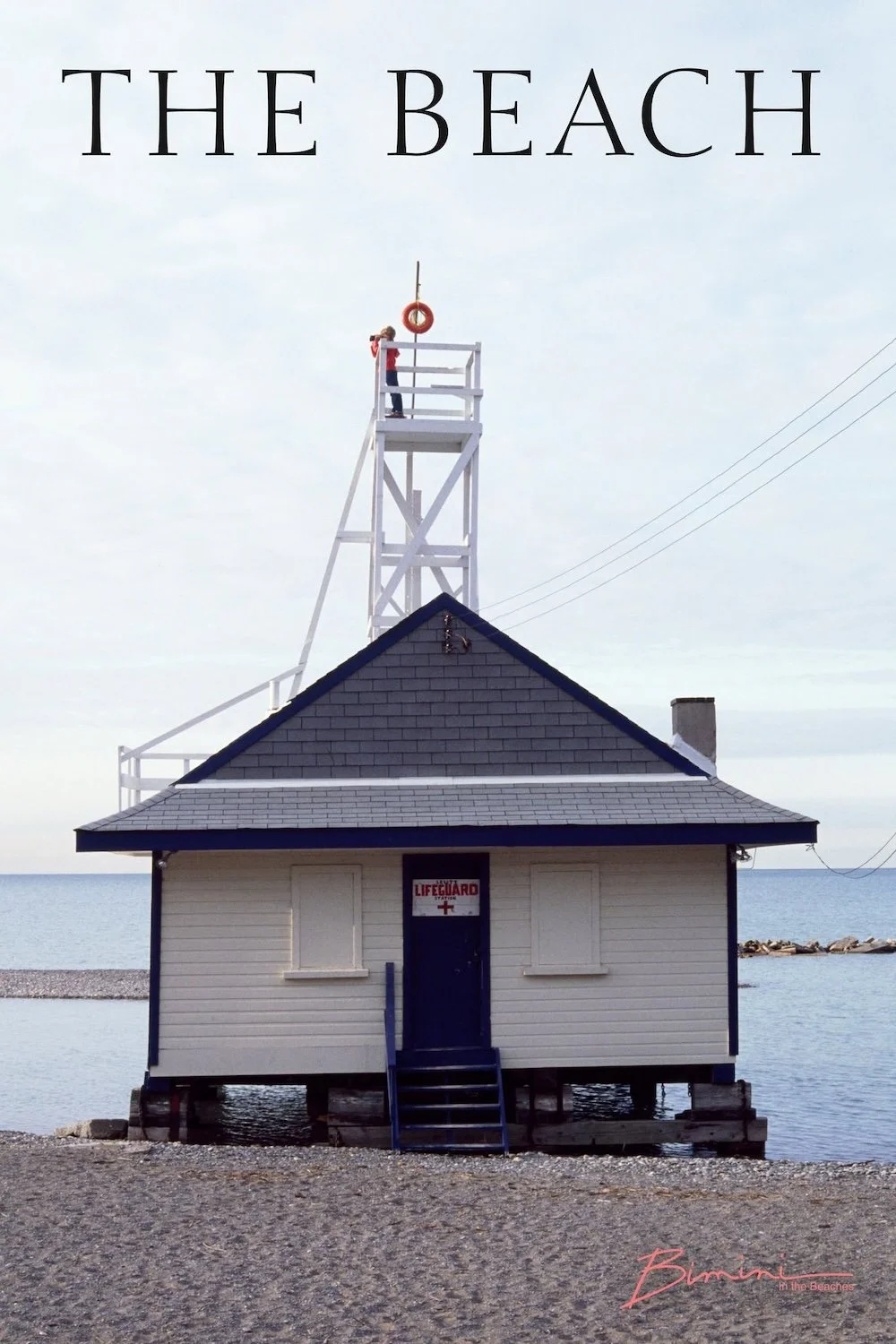
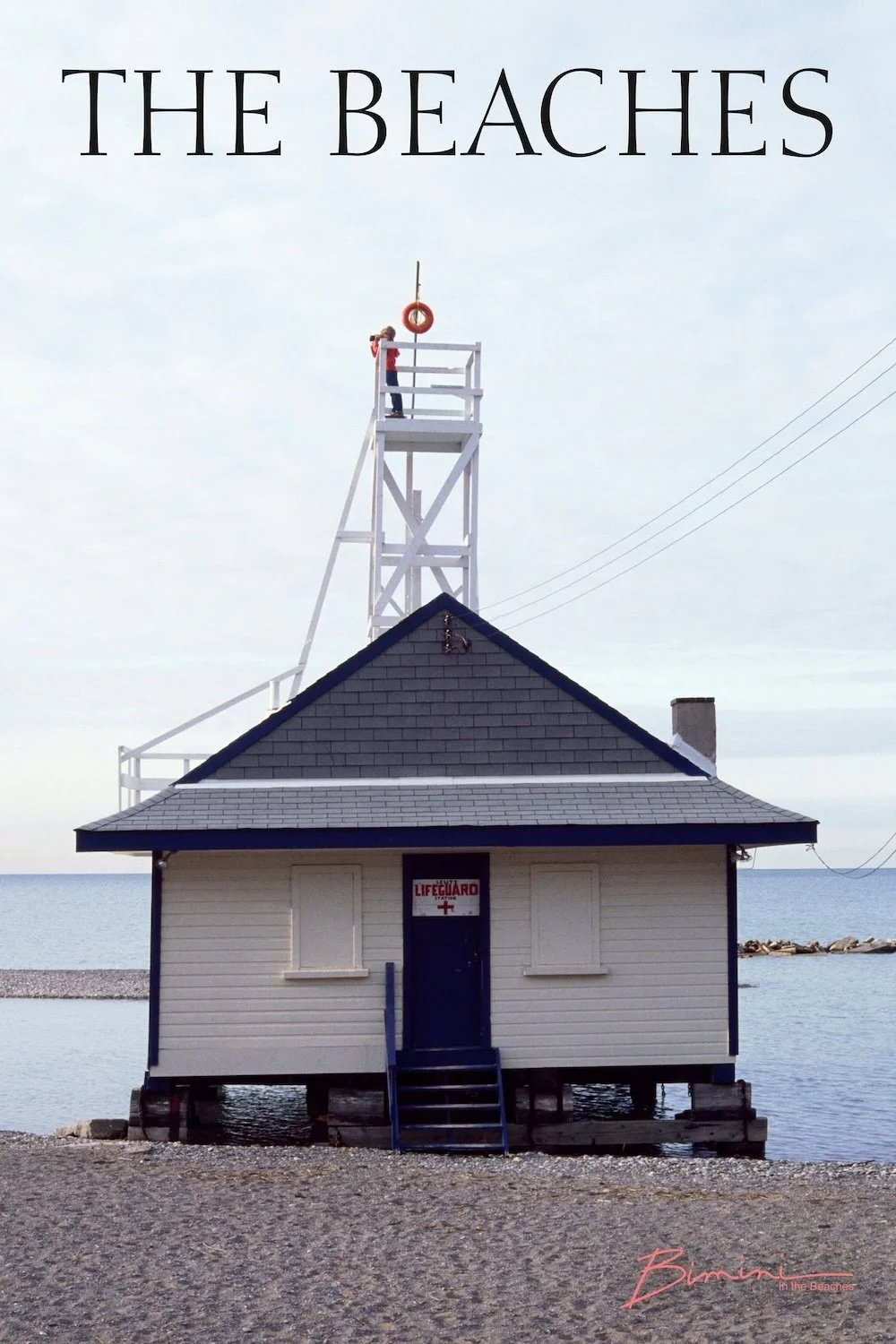
While digging through his parents' basement archives, Joshua Blodans found THE ORIGINAL negative from Bimini In The Beaches' iconic 1984 "THE BEACHES" poster, in an unmarked envelope.
He had it professionally scanned and then leaned on a friend who spent HOURS cleaning up 40+ years worth of dust, grime and scratches.
They then had a lil' fun, and not only recreated the original, but also made an alternate version - the debate continues...
Ask anyone who grew up in the city's east end whether it's called The Beach or The Beaches, and you'll quickly discover this conversation has been going on for generations.
Supporters of The Beach often point out that the neighbourhood is really one waterfront community, despite containing several distinct areas, including Kew Beach, Balmy Beach, Scarboro, and Woodbine Beach all connected by the Boardwalk. To many longtime residents, "The Beach" simply feels more authentic and local.
The issue with the Beach-only crowd, however, is that they sometimes act as though there is no historical precedent for The Beaches – when there absolutely is.
References to The Beaches can be found going back more than a century, including the Beaches Library (1914), the former provincial and federal riding names, the Beaches Lions Club (founded in 1935), and countless newspaper articles, maps, and community organizations throughout the years.
In other words, both names have history.
Over the decades, newspapers, historians, residents, and community groups have all weighed in on the debate. Has the issue ever truly been settled?
Not really.
Will it ever be?
Probably not.
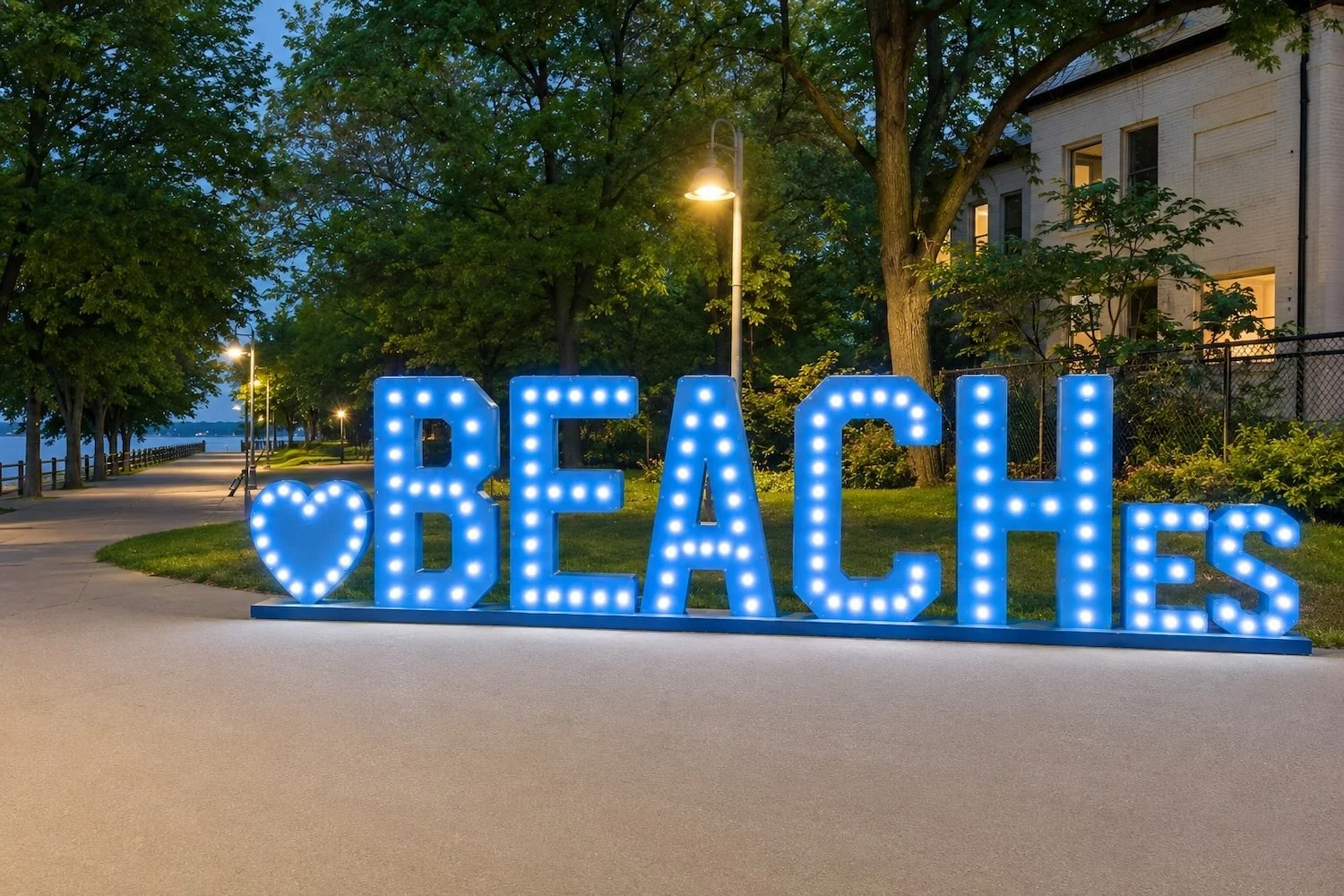
Perhaps the most fitting compromise can be found at Kew Gardens itself. The Beach BIA's popular BEACHes sign cleverly incorporates both versions of the name, acknowledging a debate that has persisted for generations without ever truly being settled.
In a neighbourhood known for its strong sense of identity, it may be the closest thing to a peace treaty either side will ever get.
Unlike the one true name of Muskoka, the other ones remain open for debate.
Or do they?
The truth is that these naming debates aren't really about geography. They're about identity, belonging, local pride, and the stories we tell about the places we call home.
Whether you're firmly in the Muskoka camp, occasionally hear someone say The Muskokas, spend weekends in The Kawarthas, or still can't decide between The Beach and The Beaches, one thing is certain:
Bring up the subject in the right crowd and you'll never be short on conversation.